Eat Fat to Heal
Fat is not bad. Make better FAT choices for better health.
I have always been a big advocate of eating fat; some of my biggest arguments with people in my field are over the vital importance of reasonable amounts of fat in the diet.
Since most of us don't eat pure fat it is important to consider fat as part of a diet pattern. Foods rich in fats have different effects on your health depending on the type of fat. Fats in meat and eggs are generally neutral while dairy fats lower inflammation (Grosso et al. 2022).
What can fat do for you? Fat is important both in your diet and stored in your body. There is a lot of science behind the delightfully satisfying taste of fat.
Fun Fat Facts
- Fats are stored energy
- How your body burns fats
- Your brain can use fat
- Fat helps build hormones
- Fat helps you absorb nutrients
- Fat insulates you
- Fat and energy production
- Fat calms overactive immune systems
- Fat decreases inflammation
- Fats in nuts and seeds reduce inflammation
- Fat influences your epigenetics
- Your body makes some small and healthy fats
- Bonus: How much glycogen can you store?
Fats come in many forms. Many are delicious.
Louise Putman photographer: Girl with ice cream c1953.

You can be healthy and eat ice cream too!
Whole fat dairy has health benefits.
Dairy does not make you gain weight. Overweight people (74 women and men, age 36-37 years old) who consumed three servings of full-fat dairy did not increase their BMI, body weight, body fat, HbA1c, BG, or blood lipids; when they were compared with people consuming an energy-restricted diet with low or no dairy. In addition, people who ate dairy had higher protein and calcium intakes (Anderson et al. 2026).
Dairy may protect against heart disease. Young adults who eat more whole fat dairy products have less coronary artery calcification (CAC) (Cannon et al. 2025). CAC is a marker of coronary atherosclerosis.
Pick high quality whole fat versions of dairy products like ice cream and yogurt.
Blue Box of Science:
How much glycogen can you store?
Your body stores the glucose from sugars and carbohydrates as glycogen. Glycogen is normally used before fat to fuel your body.
Mikael Häggström 2009 Glycogen structure.
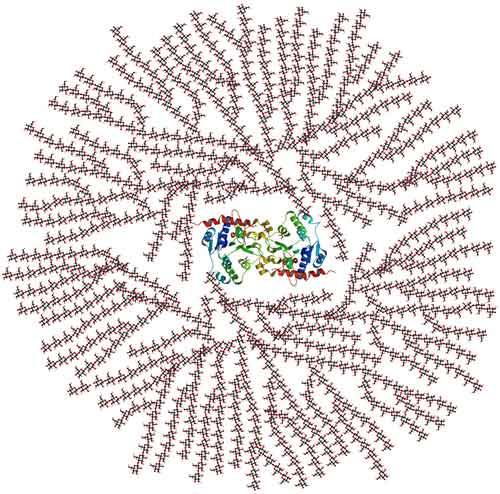
Glycogen is stored mainly in the muscles and liver.
Muscles contain 500 grams glycogen on average (ranges from 300-700 grams).
Be grateful for big thighs! People with larger muscles can store more glycogen for energy.
Small amounts of glycogen are found in heart cells, brain cells (astrocyctes), adipose cells, smooth muscle cells, red blood cells, white blood cells, and kidney cells.
The liver contains 80 grams of glycogen on average (0-160 g range). The liver releases glucose from glycogen breaking down back into the bloodstream (discussion Murray and Rosenbloom 2018).
Glycogen is made of a core protein called glycogenin which is surrounded by long, branched chains of glucose. When your body needs energy it snips off glucose for fuel.
Carbo-loading:
How to supercharge glycogen
Step 1: Exercise until you are totally exhausted and your glycogen is low. Solem et al. 2025 looked at running and cycling until the people were exhausted. You must deplete your muscle glycogen by using it as fuel.
Step 2: Rest while eating loads of carbohydrates for several days.
Step 3: Muscle glycogen over compensates after 3–5 days on a high-carbohydrate diet. In other words, your muscle store more glycogen than normal (it can double) (discussion Solem et al. 2025).
For each gram of glycogen, your body traps 3-4 grams of water.
Remember this if you gain weight rapidly after low calorie diets. If you eat high amounts of carbohydrates after ending your diet much of your rebound weight will be in glycogen and water.
You can actually 'gain' 3-5 pounds in water weight.
1) Fats (lipids) are stored energy: your body uses fat as a source of fuel especially when it runs low on carbohydrates.
Your body has a seemingly unlimited capacity to store fat. It can only store a small amount of carbohydrates (sugars) as glycogen.
When you are sick it is important to have a readily available source of energy! Your body needs energy to heal.
Your body uses both sugar (glucose) and fat as fuel. People with greater metabolic flexibility can switch back and forth from burning more sugar to burning more fat as fuel*. You can train your body to have greater metabolic flexibility with two techniques:
- 1) Using up all your stored glycogen. This forces your body to start using fat.
- 2) Have unpredictable workout intensity and lengths. If your body can't predict how much energy you will need it will start burning fat earlier. You want your body never to know what you are about to do. When you walk out the door it should wonder, "are they going to the car? OR are they going for a two hour hike? Better burn some fat just in case."
If your body cannot switch easily from sugar to fat it runs out of energy causing sudden fatigue. This is called hitting the wall or the bonk. It happens to endurance athletes who have not trained their body to use both fuel sources.

How fat is used for fuel
Maximal fat oxidation (MFO) is influenced by exercise intensity, how long you exercise, your sex, and what you eat.
Exercising at a low to moderate intensity for a long time tends to use a greater percentage of fat. Examples of this would be hiking and slow jogging.
Very intense quick exercises tend to use more glycogen (glucose). Examples of this would be sprinting or weight lifting.
If you eat a higher fat or higher carbohydrate diet you will adapt to oxidizing more of your preferred food no matter what you are doing.
Interestingly, it seems that premenopausal women are better able to burn stored fat than men. This may be due to women's higher estrogen levels. Estrogen stimulates AMPK and PGC-1α activity which increases CD36, a fatty acid transporter. Estrogen also helps regulate beta-oxidative proteins that are involved in LCFA oxidation (discussion in Purdom et al. 2018).
When using fat as fuel, your body transports fatty acids (FAs) across muscle cell membranes by using transport proteins. Fatty acid transporters are mostly CD36 which function as both a long-chain fatty acid transporter and as a signaling transducer for immune cells. Regular endurance exercise increases the amount of CD36 in muscle cell membranes.
Transformer CD36
Like a transformer, CD36 assembles and interacts with many other membrane receptors, such as toll-like receptors (TLRs), neurokinin A (NKA), integrins, and tetraspanins. Together they form distinct signaling complexes which rely messages (signals) to molecules downstream including MAPK, SFKs, AMPK, guanine nucleotide exchange factor Vav, and the NOX family of nicotinamide adenine dinucleotide phosphate oxidases (Chen et al. 2022).
The Pracetas Ignite the Forest around 1740: series attributed to Manaku.

Blue Box of Science:
How fat burns
Fatty acid (FA) oxidation (also called beta-oxidation or beta-ox). It is called beta oxidation because the FA beta carbon undergoes oxidation to a carbonyl group.
1) Fatty Acid Activation: Fatty acyl-CoA synthetase enzymes activate fatty acids by pairing them with coenzyme A (CoA)
This takes energy (ATP) and produces fatty acyl-CoA molecules
2) FA Transport: Activated fatty acyl-CoA are taken across the mitochondrial membrane by a transport protein carnitine palmitoyltransferase I (CPT-I).
CPT-I catalyzes CoA exchange with carnitine to make fatty acyl-carnitine. The fatty acyl-carnitine can cross the mitochondrial membrane.
Once it is safely inside the mitochondrial matrix, another enzyme, carnitine palmitoyltransferase II (CPT-II), can convert the fatty acyl-carnitine back into a plain fatty acyl-CoA.
3) Beta-oxidation Cycle: This cycle consists of oxidation, hydration, dehydration and thiolytic cleavage. H+ ions are stripped from fatty acids. The process produces acetyl-CoA.
Fatty acids go through a series of reactions to make acetyl-CoA and a shorter fatty acyl-CoA chain (two carbons shorter than the original fatty acid chain).
4) ATP and Metabolic Intermediates: The acetyl-CoA goes through the citric acid cycle (also called Krebs or TCA cycle) and produces GTP (which can be converted to ATP) as well as reducing equivalents (NADH and FADH2). NADH and FADH2 are fed into the electron transport chain to make ATP via oxidative phosphorylation.

2) Your brain uses fat to function.
Brain synapses can use fat droplets (triglycerides) as mitochondria fuel when glucose is low (Kumar et al. 2025).
3) Fat helps make hormones.
Fats and cholesterol are the building blocks of many hormones.
Cholesterol and essential fats are the precursor for hormones like testosterone, estrogen, progesterone and other essential hormones.
Low-fat and low-protein diets impair serotonin production. Serotonin is a neurotransmitter produced in the brain and in the digestive tract. It is necessary to regulate your mood and contributes to a sense of well-being. In other words, low fat diets (or high carbohydrate diet) may make some people grumpy.
Leptin reduces a person's appetite by acting on the brain to reduce their urge to eat. It may also control how the body manages its store of body fat.
4) Fats help absorb vitamins A, D, E and K as well as antioxidants like carotenoids.
Your body needs to eat fat to absorb fat soluble nutrients. Fat soluble nutrients include vitamins A, D, E and K.
Dietary fat helps facilitate bile salt-dependent micellar solubilization.
Fat triglycerides pass to the membrane of another tubular structure, known as the Golgi apparatus, where they are packaged into vesicles (chylomicrons).
Vitamins in the chylomicrons move into the lymphatic system.
5) Fat insulates you and keeps you warm.
Your adipose tissue insulates you from the cold and help you feel warm: if you feel cold all the time it may be that you are not eating enough fat in your diet. Internal fat, called visceral fat, protects your kidneys, heat, liver and other internal organs.
Brown and beige fat cells burn energy to help regulate body temperature.
There are actually five colors of fat cells with different roles.
6) Fat influences energy production.
Medium chain fatty acids (MCFAs) from dairy fat upregulate energy production genes. These are mainly genes involved in the citric acid cycle and oxidative phosphorylation (mostly in adipose cell energy metabolism). This means you make more energy.
Remember energy is your body's version of money. More energy means your body can 'spend' more on upgrades for your body like healing faster, stronger muscles, and faster thinking.
Short chain fatty acids (SCFAs) such as butyrate, propionate and acetate, support intestinal cells and immune cells by regulating energy production. Many of these SCFAs are produced by your gut bacteria fermenting fiber in your diet.
These small fatty acids regulate the processes that make energy such as fatty acid oxidation, glycolysis (sugar splitting), and oxidative phosphorylation. Oxidative phosphorylation is a metabolic process used by mitochondria to make ATP.
SCFAs influence immunity as well. SCFAs coordinate cellular metabolism to support functional (and physical) changes in adaptive immune cells (B cell activation and plasma B cell differentiation). SCFAs regulate epithelial barrier function and systemic immunity by controlling G protein-coupled receptors and/or histone deacetylase activity.
SCFAs influence immunity and epigenetics by inhibiting histone deacetylase (HDACs). Your DNA is wrapped tightly around balls of histones. HDACs cause histones to wrap DNA even more tightly which inhibits gene expression. Think of winding yarn tightly around a ball. It is hard to access the genes.
When you inhibit HDACs, DNA is not wrapped as tight around histone balls. Think of a loose ball of yarn. This allows easier access to genes so they can be copied to make protein.
SCFAs enhances gene expression in epithelial cells, macrophages and T cells.
In addition, butyric acid in the gastrointestinal tract has positive effects on metabolic factors. It enhances glucose metabolism, increases total energy expenditure, modulates the immune system and reduces blood lipid levels (discussion Gu et al. 2021, Portincasa et al. 2022, Hays et al. 2024).
7) Medium chain fatty acids (MCFAs) downgrade the immune system which reduces inflammation.
If your immune system is TOO active it increases inflammation. MCFAs down regulate genes related to the complement system (part of the immune system) and inflammation. MCFAs are found in full fat dairy products like milk, cream and cheese.
Dairy MCFAs upregulate genes related to the citric acid cycle and oxidative phosphorylation (genes related to energy metabolism in the adipose tissue). MCFAs downregulate genes related to the inflammation and complement system (Matualatupauw et al. 2017).
Long-chain fatty acids may influence the hypothalamic neurons, which regulate both food intake and energy expenditure (Araujo et al. 2016).
8) Branched chain fatty acids (BCFAs) reduce inflammation.
BCFAs inhibit inflammation. They may suppress lipopolysaccharide (LPS)-induced gene expression of pro-inflammatory transcription pathways (NF-kB and TLR-4) (Yan et al. 2018). Pro-inflammatory transcription pathways activate transcription factors such as NF-kB and TLR-4 that code for inflammation.
9) Omega-6 fats in nuts, seeds and oils reduce inflammation.
Your body cannot make some omega-6 fatty acids such as linoleic acid (18:2 n–6). Linoleic acid is high in nuts, seeds, and vegetable oils. Higher levels of linoleic acid in the blood decreased inflammatory markers.
In 2,133 people (women and men, mean age 50 years), higher serum linoleic acid levels lowered inflammatory markers: high-sensitivity C-reactive protein (hs-CRP), glycoprotein acetyls (GlycA), and soluble intercellular adhesion molecule-1 (sICAM-1) concentrations. SAA and sVCAM-1 were not affected (Maki et al. 2026).
GlycA is a novel inflammation marker found in rheumatoid arthritis (RA) that seems to predict predict cardiovascular disease (CVD) complications (Kasher et al. 2024). Glycoprotein sICAM-1 is a master regulator of inflammation, injury and tumor cellular responses. It recruits immune cells (leukocytes) to inflammation sites (Bui et al. 2020).
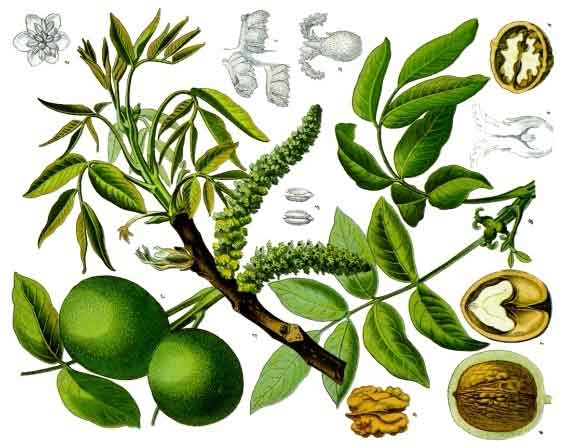
Franz Eugen Köhler, Köhler's Medizinal-Pflanzen c1897.
10) Fat can influence your epigenetics.
Epigenetics means 'above or on top of genetics'. It is how genes are controlled without changing DNA. Controlling genes is important since genes contain the instructions for making proteins. Proteins influence your physical and biological traits. they directly affect your health.
Basically, epigenetic modifications turn on, turn off, speed up and/or slow down gene production. When genes are turned on and read to produce proteins it is called gene expression.
Fatty acids (FAs) can influence epigenetics.
Fats control epigenetics by using DNA methylation (hyper or hypomethylation), acetylation or deacetylation of histones, and/or microRNAs (miRNAs) associated with the either activating or repressing genes (González-Becerra et al. 2019):
Methyl groups (-CH3) (hyper or hypomethylation) are added or removed on top of DNA. this can turn genes on and off. Turning off a gene is called silencing the gene.
Histones are large globes that your DNA strands wrap around for compaction. Think of thread wrapping around a spool.
Adding acetyl groups (-COCH3) to histones can cause regions of the DNA to lift away from the histones. This makes the DNA more open and accessible which increases gene expression (i.e. easier for genes to get turned on).
Other histone modifications coil DNA more tightly around the histones which makes genes less accessible and inhibits gene expression. Turns off genes.
MicroRNAs (miRNAs) are short non-coding pieces of RNA that are able to regulate gene expression, at both the cytoplasmic and nuclear level (Catalanotto et al. 2016).
Omega-3 PUFA (EPA and DHA) and MUFA (oleic and palmitoleic acid) were associated improved metabolic health.
Some omega-6 PUFA, some saturated fatty acids (stearic and palmitic), and trans fatty acids (elaidic), have been linked with decreased metabolic health (obesity, T2D, pro-inflammatory profile, atherosclerosis and IR).
Butyric acid inhibits histone deacetylases (HDAC) and is associated with histone deacetylation (discussion González-Becerra et al. 2019).
Blue Box of Science:
Your body makes short chained fatty acids (SCFA)
SCFAs are produced by gut bacteria fermenting dietary fiber. They mainly use non-digestible polysaccharides including dietary fibers and resistant starches. Resistant starches are starches that are not digested in the small intestine. These include cell walls of whole grains, beans, legumes and seeds; unripe bananas, and the starch that forms when you cool down some starchy foods like rice. There is also evidence that SCFAs can be derived from protein and amino acid fermentation.
SCFAs-producing bacteria are usually beneficial gut bacteria. The community of microbiota living in your gut plays an important part in your health. These microorganism create a barrier against pathogens, help regulate metabolism, shape immunity, and influence nutrient and drug absorption (discussion Fusco et al. 2023).
SCFAs have 2-6 carbon chains. The main SCFAs made by the gut are acetate (C2) at 60%, propionate (C3) at 20%, and butyrate (C4) at 20%. Of these three SCFAs butyrate, produced by the Lachnospiraceae and Ruminococcaceae bacteria families, has the greatest physiological effect on human health (discussion Fusco et al. 2023).
How to increase SCFA production
Eating a high fiber diet increases SCFAs, especially acetate and butyrate.
Prebiotics increase SCFA production. High doses of arabinoxylan oligosaccharides (AXOS) from wheat bran extract and/or enriched bread (over 7.5 g per day) increased total SCFAs, butyrate, acetate, and propionate (François et al. 2012, Damen et al. 2012).
Probiotics, such as Lactobacillusspecies, increase SCFAs (discussion in Fusco et al. 2023).
SCFAs influence glucose metabolism
Gut microbial composition and SCFAs production influence glucose metabolism. SCFAs are involved in obesity, insulin resistance (IR), and type 2 diabetes (T2D) (Portincasa et al. 2022). SCFAs influence many processes in your body including cancer!

*I talk a lot about burning sugar and fat as fuel. Burning is a chemical change not a physical change. Burning unlocks the potential energy in a food. Nutrients are broken up into molecules and electrons which go on to create energy.
By Susan Fluegel PHD Nutritional Biochemistry and Lori Wood MS Human Nutrition.
*Names and some minor identifying details in all stories in this website are changed to protect people's privacy.
I'm not your doctor so this is not medical information or advice. I'm just a person who would like to see you happy and healthy. If you have any questions or concerns about starting an exercise regiment, diet program, or supplements please consult a professional.
References:
Anderson GH, Chen Zhou CZ, Vien S, Soo M, Salamat S, Akbarifakhrabadi M, Chomka L, Kathirvel P, Siddiqi F, Fabek H, Luhovyy B. The Effect of Three Daily Servings of Full-Fat Dairy for 12 Weeks on Body Weight, Body Composition, Energy Metabolism, Blood Lipids, and Dietary Intake of Adults with Overweight and Obesity. J Nutr. 2026 Apr;156(4):101373. doi: 10.1016/j.tjnut.2026.101373. Full article.
Araujo EP, Moraes JC, Cintra DE, Velloso LA. MECHANISMS IN ENDOCRINOLOGY: Hypothalamic inflammation and nutrition. Eur J Endocrinol. 2016 Sep;175(3):R97-R105. doi: 10.1530/EJE-15-1207. Full article.
Astrup A, Magkos F, Bier DM, Brenna JT, de Oliveira Otto MC, Hill JO, King JC, Mente A, Ordovas JM, Volek JS, Yusuf S, Krauss RM. Saturated Fats and Health: A Reassessment and Proposal for Food-Based Recommendations: JACC State-of-the-Art Review. J Am Coll Cardiol. 2020 Aug 18;76(7):844-857. doi: 10.1016/j.jacc.2020.05.077. Full article.
Bazina, N., T. Ahmed, M. Almdaaf, H. M. O. Abu Hallalah, and S. Jibia. 2025. " Chemical Changes in Deep-Fat Frying: Reaction Mechanisms, Oil Degradation, and Health Implications." Food Science & Nutrition 13, no. 10: e70969. https://doi.org/10.1002/fsn3.70969. Full article.
Bui TM, Wiesolek HL, Sumagin R. ICAM-1: A master regulator of cellular responses in inflammation, injury resolution, and tumorigenesis. J Leukoc Biol. 2020 Sep;108(3):787-799. doi: 10.1002/JLB.2MR0220-549R. Full article.
Cannon EJ, David R Jacobs, Lyn M Steffen, Mark J Pletcher, James M Shikany, Philip Greenland, Felipe V Martignoni, Pamela J Schreiner, Michael Miedema.
Dairy Intake and Coronary Artery Calcification: The Coronary Artery Risk Development in Young Adults (CARDIA) Prospective Cohort Study,
The Journal of Nutrition. 2025 155 (12): 4523-4529. doi.org/10.1016/j.tjnut.2025.09.029 Summary.
Catalanotto C, Cogoni C, Zardo G. MicroRNA in Control of Gene Expression: An Overview of Nuclear Functions. International Journal of Molecular Sciences. 2016; 17(10):1712. https://doi.org/10.3390/ijms17101712 Full article.
Chan A.P., Kelsey E. Jarrett, Rochelle W. Lai, Madelaine C. Brearley-Sholto, Angela S. Cheng, Maria O. Taveras, Anne M. Iwata, Michelle E. Steel, Andrew Lau, Emily C. Whang, John P. Kennelly, Yajing Gao, Gabriella E. Rubert, Heidi M. Schmidt, Emily P. Smith, Baolong Su, Kevin J. Williams, Elizabeth J. Tarling, Thomas Q. de Aguiar Vallim, Bile acids regulate lipid metabolism through selective actions on fatty acid absorption, Cell Metabolism, Volume 38, Issue 2, 2026, Pages 263-280.e10, ISSN 1550-4131, https://doi.org/10.1016/j.cmet.2025.11.010. Full article.
Chen Y, Zhang J, Cui W, Silverstein RL. CD36, a signaling receptor and fatty acid transporter that regulates immune cell metabolism and fate. J Exp Med. 2022 Jun 6;219(6):e20211314. doi: 10.1084/jem.20211314. Full article.
Damen B, Cloetens L, Broekaert WF, François I, Lescroart O, Trogh I, Arnaut F, Welling GW, Wijffels J, Delcour JA, Verbeke K, Courtin CM. Consumption of breads containing in situ-produced arabinoxylan oligosaccharides alters gastrointestinal effects in healthy volunteers. J Nutr. 2012 Mar;142(3):470-7. doi: 10.3945/jn.111.146464. Full article.
Drehmer M, Pereira MA, Schmidt MI, Alvim S, Lotufo PA, Luft VC, Duncan BB. Total and Full-Fat, but Not Low-Fat, Dairy Product Intakes are Inversely Associated with Metabolic Syndrome in Adults. J Nutr. 2016 Jan;146(1):81-9. doi: 10.3945/jn.115.220699. Full article.
Dighriri IM, Alsubaie AM, Hakami FM, Hamithi DM, Alshekh MM, Khobrani FA, Dalak FE, Hakami AA, Alsueaadi EH, Alsaawi LS, Alshammari SF, Alqahtani AS, Alawi IA, Aljuaid AA, Tawhari MQ. Effects of Omega-3 Polyunsaturated Fatty Acids on Brain Functions: A Systematic Review. Cureus. 2022 Oct 9;14(10):e30091. doi: 10.7759/cureus.30091. Full article.
Ericson U, Hellstrand S, Brunkwall L, Schulz CA, Sonestedt E, Wallström P, Gullberg B, Wirfält E, Orho-Melander M. Food sources of fat may clarify the inconsistent role of dietary fat intake for incidence of type 2 diabetes. Am J Clin Nutr. 2015 May;101(5):1065-80. doi: 10.3945/ajcn.114.103010. Full article.
Feinman RD, Pogozelski WK, Astrup A, Bernstein RK, Fine EJ, Westman EC, Accurso A, Frassetto L, Gower BA, McFarlane SI, Nielsen JV, Krarup T, Saslow L, Roth KS, Vernon MC, Volek JS, Wilshire GB, Dahlqvist A, Sundberg R, Childers A, Morrison K, Manninen AH, Dashti HM, Wood RJ, Wortman J, Worm N. Dietary carbohydrate restriction as the first approach in diabetes management: critical review and evidence base. Nutrition. 2015 Jan;31(1):1-13. doi: 10.1016/j.nut.2014.06.011. Epub 2014 Jul 16. Erratum in: Nutrition. 2019 Jun;62:213. Full article.
François IE, Lescroart O, Veraverbeke WS, Marzorati M, Possemiers S, Evenepoel P, Hamer H, Houben E, Windey K, Welling GW, Delcour JA, Courtin CM, Verbeke K, Broekaert WF. Effects of a wheat bran extract containing arabinoxylan oligosaccharides on gastrointestinal health parameters in healthy adult human volunteers: a double-blind, randomised, placebo-controlled, cross-over trial. Br J Nutr. 2012 Dec 28;108(12):2229-42. doi: 10.1017/S0007114512000372. Full article.
Fusco W, Lorenzo MB, Cintoni M, Porcari S, Rinninella E, Kaitsas F, Lener E, Mele MC, Gasbarrini A, Collado MC, et al. Short-Chain Fatty-Acid-Producing Bacteria: Key Components of the Human Gut Microbiota. Nutrients. 2023; 15(9):2211. https://doi.org/10.3390/nu15092211 Full article.
González-Becerra K, Ramos-Lopez O, Barrón-Cabrera E, Riezu-Boj JI, Milagro FI, Martínez-López E, Martínez JA. Fatty acids, epigenetic mechanisms and chronic diseases: a systematic review. Lipids Health Dis. 2019 Oct 15;18(1):178. doi: 10.1186/s12944-019-1120-6. PMID: 31615571; PMCID: PMC6792183. Full article.
Grajzer M, Szmalcel K, Kuzminski L, Witkowski M, Kulma A, Prescha A. Characteristics and Antioxidant Potential of Cold-Pressed Oils-Possible Strategies to Improve Oil Stability. Foods. 2020 Nov 8;9(11):1630. doi: 10.3390/foods9111630. Full article.
Grosso G, Laudisio D, Frias-Toral E, Barrea L, Muscogiuri G, Savastano S, Colao A. Anti-Inflammatory Nutrients and Obesity-Associated Metabolic-Inflammation: State of the Art and Future Direction. Nutrients. 2022 Mar 8;14(6):1137. doi: 10.3390/nu14061137. Full article.
Gu BH, Kim M, Yun CH. Regulation of Gastrointestinal Immunity by Metabolites. Nutrients. 2021 Jan 7;13(1):167. doi: 10.3390/nu13010167. Full article.
Han Q, Xie Y, Ordaz JD, Huh AJ, Huang N, Wu W, Liu N, Chamberlain KA, Sheng ZH, Xu XM. Restoring Cellular Energetics Promotes Axonal Regeneration and Functional Recovery after Spinal Cord Injury. Cell Metab. 2020 Mar 3;31(3):623-641.e8. doi: 10.1016/j.cmet.2020.02.002. Full article.
Hays KE, Pfaffinger JM, Ryznar R. The interplay between gut microbiota, short-chain fatty acids, and implications for host health and disease. Gut Microbes. 2024 Jan-Dec;16(1):2393270. doi: 10.1080/19490976.2024.2393270. Full article.
Hyde PN, Sapper TN, Crabtree CD, LaFountain RA, Bowling ML, Buga A, Fell B, McSwiney FT, Dickerson RM, Miller VJ, Scandling D, Simonetti OP, Phinney SD, Kraemer WJ, King SA, Krauss RM, Volek JS. Dietary carbohydrate restriction improves metabolic syndrome independent of weight loss. JCI Insight. 2019 Jun 20;4(12):e128308. doi: 10.1172/jci.insight.128308. Full article.
Julibert A, Del Mar Bibiloni M, Gallardo-Alfaro L, Abbate M, Martínez-González MÁ, Salas-Salvadó J, Corella D, Fitó M, Martínez JA, Alonso-Gómez ÁM, Wärnberg J, Vioque J, Romaguera D, Lopez-Miranda J, Estruch R, Tinahones FJ, Lapetra J, Serra-Majem L, Cano-Ibañez N, Martín-Sánchez V, Pintó X, Gaforio JJ, Matía-Martín P, Vidal J, Vázquez C, Daimiel L, Ros E, Sayon-Orea C, Becerra-Tomás N, Gimenez-Alba IM, Castañer O, Abete I, Tojal-Sierra L, Pérez-López J, Notario-Barandiaran L, Colom A, Garcia-Rios A, Castro-Barquero S, Bernal R, Santos-Lozano JM, Fernández-Lázaro CI, Hernández-Alonso P, Saiz C, Zomeño MD, Zulet MA, Belló-Mora MC, Basterra-Gortari J, Canudas S, Goday A, Tur JA; PREDIMED-PLUS investigators. Metabolic Syndrome Features and Excess Weight Were Inversely Associated with Nut Consumption after 1-Year Follow-Up in the PREDIMED-Plus Study. J Nutr. 2020 Dec 10;150(12):3161-3170. doi: 10.1093/jn/nxaa289. Full article.
Kasher M, Freidin MB, Williams FMK, Cherny SS, Ashkenazi S, Livshits G. Glycoprotein Acetyls Is a Novel Biomarker Predicting Cardiovascular Complications in Rheumatoid Arthritis. Int J Mol Sci. 2024 May 30;25(11):5981. doi: 10.3390/ijms25115981. Full article.
Kwak SH, Park KS. Recent progress in genetic and epigenetic research on type 2 diabetes. Exp Mol Med. 2016 Mar 11;48(3):e220. doi: 10.1038/emm.2016.7. Full article.
Kumar M, Wu Y, Knapp J, Pontius CL, Park D, Witte RE, McAllister R, Gupta K, Rajagopalan KN, De Camilli P, Ryan TA. Triglycerides are an important fuel reserve for synapse function in the brain. Nat Metab. 2025 Jul;7(7):1392-1403. doi: 10.1038/s42255-025-01321-x. Full article.
Leheska JM, Thompson LD, Howe JC, Hentges E, Boyce J, Brooks JC, Shriver B, Hoover L, Miller MF. Effects of conventional and grass-feeding systems on the nutrient composition of beef. J Anim Sci. 2008 Dec;86(12):3575-85. doi: 10.2527/jas.2007-0565. Full PDF.
Lemaitre RN, King IB. Very long-chain saturated fatty acids and diabetes and cardiovascular disease. Curr Opin Lipidol. 2022 Feb 1;33(1):76-82. doi: 10.1097/MOL.0000000000000806. Full article.
Lemaitre RN, McKnight B, Sotoodehnia N, Fretts AM, Qureshi WT, Song X, King IB, Sitlani CM, Siscovick DS, Psaty BM, Mozaffarian D. Circulating Very Long-Chain Saturated Fatty Acids and Heart Failure: The Cardiovascular Health Study. J Am Heart Assoc. 2018 Nov 6;7(21):e010019. doi: 10.1161/JAHA.118.010019. Full article.
Li D, Misialek JR, Jing M, Tsai MY, Eckfeldt JH, Steffen LM, Knopman D, Wruck L, Gottesman R, Mosley TH, Sharrett AR, Alonso A. Plasma phospholipid very-long-chain SFAs in midlife and 20-year cognitive change in the Atherosclerosis Risk in Communities (ARIC): a cohort study. Am J Clin Nutr. 2020 Jun 1;111(6):1252-1258. doi: 10.1093/ajcn/nqaa048. Full article.
Liu AG, Ford NA, Hu FB, Zelman KM, Mozaffarian D, Kris-Etherton PM. A healthy approach to dietary fats: understanding the science and taking action to reduce consumer confusion. Nutr J. 2017 Aug 30;16(1):53. doi: 10.1186/s12937-017-0271-4. Full article.
Maki KC, Wilcox ML, Dicklin MR, Buggia M, Palacios OM, Maki CE, Kramer M. Substituting Lean Beef for Carbohydrate in a Healthy Dietary Pattern Does Not Adversely Affect the Cardiometabolic Risk Factor Profile in Men and Women at Risk for Type 2 Diabetes. J Nutr. 2020 Jul 1;150(7):1824-1833. doi: 10.1093/jn/nxaa116. Full article.
Maki KC, Xiwei Chen, Meredith L Wilcox, Carol F Kirkpatrick, Liana L Guarneiri, Orsolya M Palacios, Erika T Beidelman, Anna LM Macagno, David B Allison. Inverse Associations of Serum Total Omega-6 Polyunsaturated Fatty Acids and Linoleic Acid with Biomarkers of Inflammation: A Cross-Sectional Analysis. The Journal of Nutrition, 2026, 101471, https://doi.org/10.1016/j.tjnut.2026.101471. Full article.
Martínez Steele E, Popkin BM, Swinburn B, Monteiro CA. The share of ultra-processed foods and the overall nutritional quality of diets in the US: evidence from a nationally representative cross-sectional study. Popul Health Metr. 2017 Feb 14;15(1):6. doi: 10.1186/s12963-017-0119-3. Full article.
Murray B, Rosenbloom C. Fundamentals of glycogen metabolism for coaches and athletes. Nutr Rev. 2018 Apr 1;76(4):243-259. doi: 10.1093/nutrit/nuy001. Full article.
Matualatupauw JC, Bohl M, Gregersen S, Hermansen K, Afman LA. Dietary medium-chain saturated fatty acids induce gene expression of energy metabolism-related pathways in adipose tissue of abdominally obese subjects. Int J Obes (Lond). 2017 Sep;41(9):1348-1354. doi: 10.1038/ijo.2017.120. Abstract.
Papanikolaou Y, Fulgoni VL 3rd. Dairy Food Consumption Is Associated with Reduced Risk of Heart Disease Mortality, but Not All-Cause and Cancer Mortality in US Adults. Nutrients. 2023 Jan 12;15(2):394. doi: 10.3390/nu15020394. Full article.
Portincasa P, Bonfrate L, Vacca M, De Angelis M, Farella I, Lanza E, Khalil M, Wang DQ, Sperandio M, Di Ciaula A. Gut Microbiota and Short Chain Fatty Acids: Implications in Glucose Homeostasis. Int J Mol Sci. 2022 Jan 20;23(3):1105. doi: 10.3390/ijms23031105. Full article.
Praagman J, Vissers LET, Mulligan AA, Laursen ASD, Beulens JWJ, van der Schouw YT, Wareham NJ, Hansen CP, Khaw KT, Jakobsen MU, Sluijs I. Consumption of individual saturated fatty acids and the risk of myocardial infarction in a UK and a Danish cohort. Int J Cardiol. 2019 Mar 15;279:18-26. doi: 10.1016/j.ijcard.2018.10.064. Full article.
Purdom T, Kravitz L, Dokladny, K. et al. Understanding the factors that effect maximal fat oxidation. J Int Soc Sports Nutr 15, 3 (2018). https://doi.org/10.1186/s12970-018-0207-1 Full article.
Rey C, Delpech JC, Madore C, Nadjar A, Greenhalgh AD, Amadieu C, Aubert A, Pallet V, Vaysse C, Layé S, Joffre C. Dietary n-3 long chain PUFA supplementation promotes a pro-resolving oxylipin profile in the brain. Brain Behav Immun. 2019 Feb;76:17-27. doi: 10.1016/j.bbi.2018.07.025. Full article.
Rumora, A. E., LoGrasso, G., Haidar, J. A., Dolkowski, J. J., Lentz, S. I., & Feldman, E. L. (2019). Chain length of saturated fatty acids regulates mitochondrial trafficking and function in sensory neurons. Journal of Lipid Research, 60(1), 58–70. https://doi.org/10.1194/jlr.M086843 Full article.
Schnack LL, Romani AMP. The Metabolic Syndrome and the Relevance of Nutrients for its Onset. Recent Pat Biotechnol. 2017;11(2):101-119. doi: 10.2174/1872208311666170227112013. Abstract.
Solem K, Clauss M and Jensen J (2025) Glycogen supercompensation in skeletal muscle after cycling or running followed by a high carbohydrate intake the following days: a systematic review and meta-analysis. Front. Physiol. 16:1620943. doi: 10.3389/fphys.2025.1620943 Full article.
Vadiveloo M, Parekh N, Mattei J. Greater healthful food variety as measured by the US Healthy Food Diversity index is associated with lower odds of metabolic syndrome and its components in US adults. J Nutr. 2015 Mar;145(3):564-71. doi: 10.3945/jn.114.199125. Epub 2014 Dec 31. Erratum in: J Nutr. 2015 Jun;145(6):1373. Parkeh, Niyati [Corrected to Parekh, Niyati]. Full article.
Wang B, Kong Q, Li X, Zhao J, Zhang H, Chen W, Wang G. A High-Fat Diet Increases Gut Microbiota Biodiversity and Energy Expenditure Due to Nutrient Difference. Nutrients. 2020 Oct 20;12(10):3197. doi: 10.3390/nu12103197. Full article.
Yan Y, Wang Z, Wang D, Lawrence P, Wang X, Kothapalli KSD, Greenwald J, Liu R, Park HG, Brenna JT. BCFA-enriched vernix-monoacylglycerol reduces LPS-induced inflammatory markers in human enterocytes in vitro. Pediatr Res. 2018 Apr;83(4):874-879. doi: 10.1038/pr.2017.297. Summary.
Zhu Y, Bo Y, Liu Y. Dietary total fat, fatty acids intake, and risk of cardiovascular disease: a dose-response meta-analysis of cohort studies. Lipids Health Dis. 2019 Apr 6;18(1):91. doi: 10.1186/s12944-019-1035-2. Full article.
Zivkovic AM, Telis N, German JB, Hammock BD. Dietary omega-3 fatty acids aid in the modulation of inflammation and metabolic health. Calif Agric (Berkeley). 2011 Jul;65(3):106-111. doi: 10.3733/ca.v065n03p106. Full article.